Science Friday June 27, 2025
The Goo In Your Home Could Help Science Address Climate Change
Flora Lichtman- 16:38 minutes
We live in a world filled with microbes—they’re inside our bodies, in soil, in deep sea hydrothermal vents, and in your window AC unit. Some microbiologists are hopeful that finding more of these tiny organisms could help us address the climate crisis. Joining Host Flora Lichtman to talk about how are microbiologists James Henriksen and Lisa Stein.

Quanta Magazine September 15, 2025
The Microbial Masters of Earth’s Climate
A collection of short dispatches from the field of climate microbiology conveys the contributions that single-celled life forms make to our climate system, and how we can work with them to address climate change.
Homeworld Collective June 19, 2024
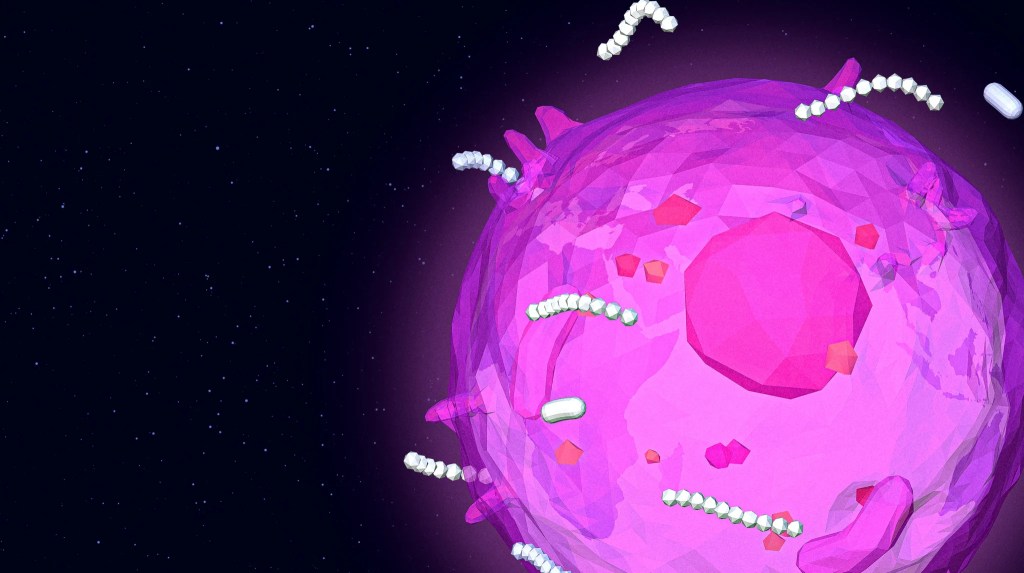
A Tale of Two Gases: Mitigation and removal of methane and nitrous oxide emissions
By Homeworld Collective
Professor Stein examines the interconnected biogeochemical cycling of the potent greenhouse gases methane and nitrous oxide . Her research reveals how harnessing microbial metabolism offers crucial, creative paths for GHG mitigation strategies
The Atlantic Sep 20, 2024
How to Cool the World Without Blocking the Sun
Exploring the risks of solar radiation management, this article analyzes how altering atmospheric composition could trigger unpredictable biospheric feedback loops. The focus is on the profound and potentially catastrophic impacts of large-scale geo-engineering on critical global microbial ecology.

NPR, June 2, 2025
These researchers think the sludge in your home may help save the planet
Ari Daniel
Microbiologists comment on the Two Frontiers Project: a group that aims to to discover microbes that could capture carbon, clean pollutants, and support corals. Samples are retrieved from slime from household drains, shower heads, and appliances.
National Academies of Sciences, Engineering, and Medicine 2024
A Research Agenda Toward Atmospheric Methane Removal
The report A Research Agenda Toward Atmospheric Methane Removal outlines priority research for assessing methane removal technologies. Methane, 80 times more potent than CO2, is a major contributor to global warming. The report evaluates five technologies for converting or removing methane from the atmosphere, targeting significant climate benefits
SciAm, E&E News JULY 30, 2024
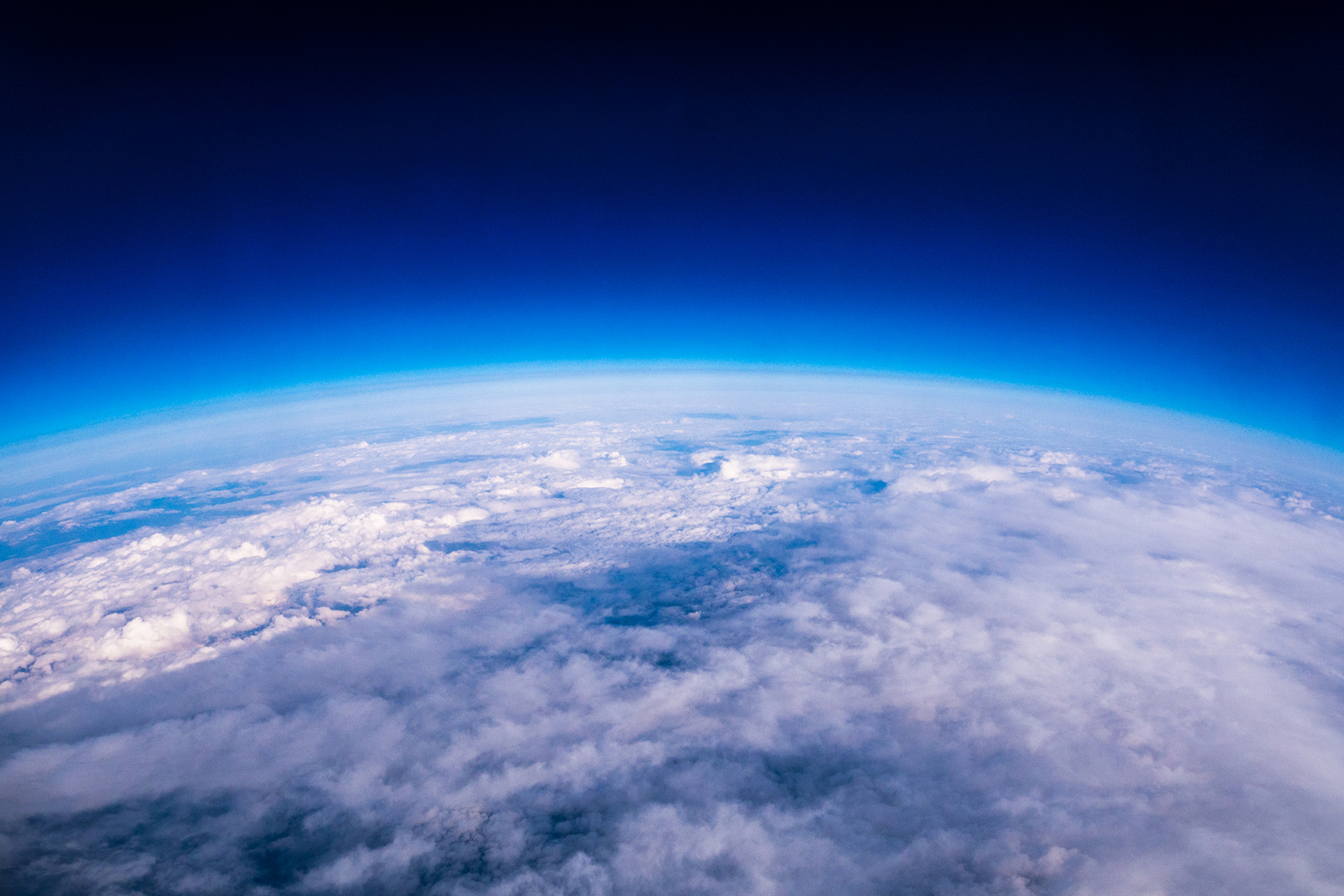
This Climate-Conscious Farming Practice Might Be Backfiring
FRANCISCO “A.J.” CAMACHO & E&E NEWS
Journalist FRANCISCO “A.J.” CAMACHO discusses with scientists how efforts to reduce methane emissions from farms, such as changing animal diets and improving manure management, can unintentionally increase emissions of nitrous oxide, another potent greenhouse gas.
CBC / Radio Canada
January 2, 2024
Without them we’d be dead. Why microbes play a major role in climate change
Liam Harrap · CBC News
Our own Lisa Stein interviews with CBC Radioactive on the importance of microbiology in combating climate change!

Nature Microbiology Article
November 29, 2023
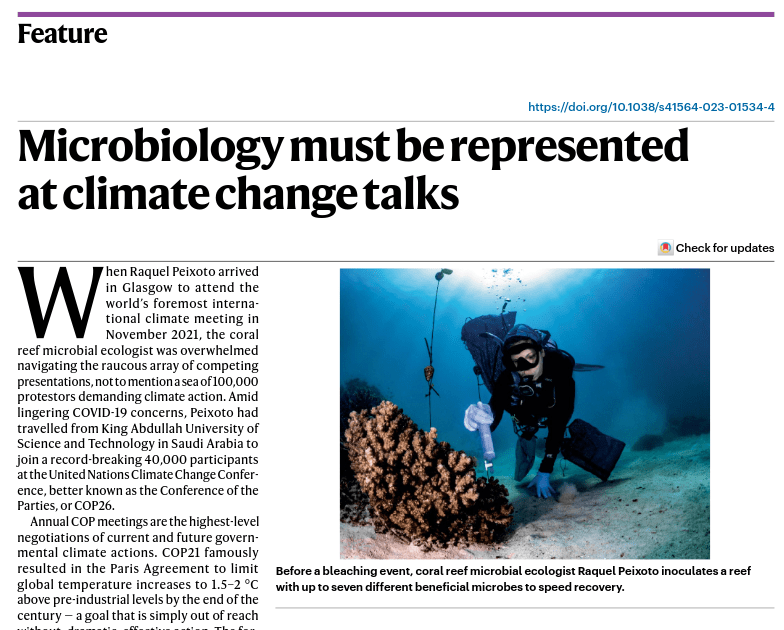
Microbiology must be represented at climate change talks
By Virginia Gewin
Science News
November 28, 2023
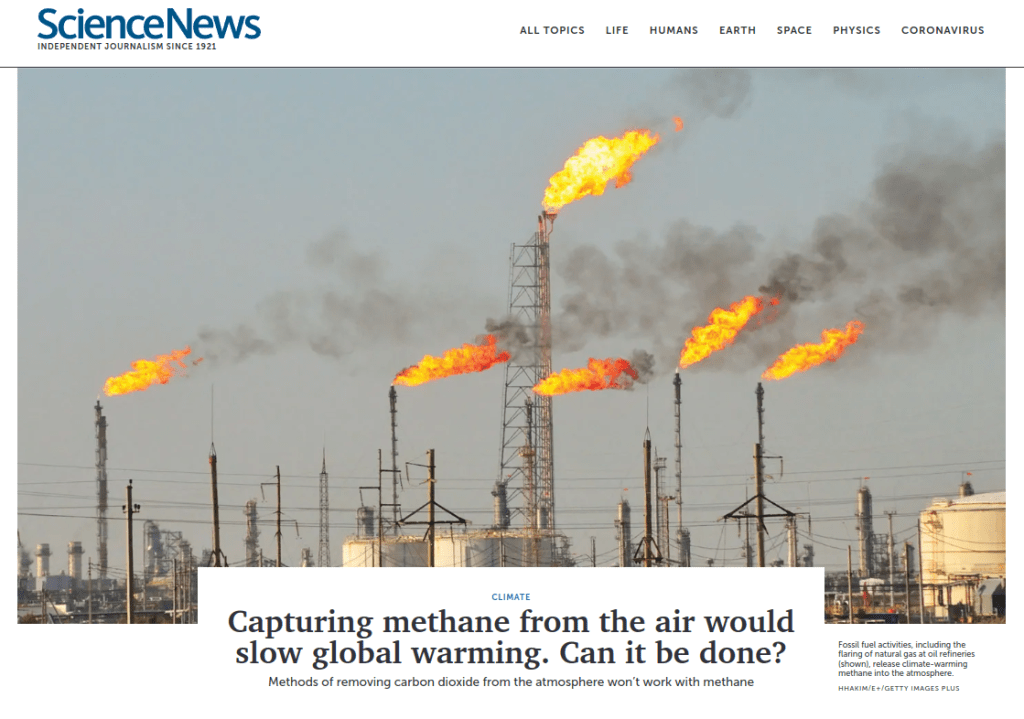
Capturing methane from the air would slow global warming. Can it be done?
By Katherine Bourzac
Nature
November 30, 2023
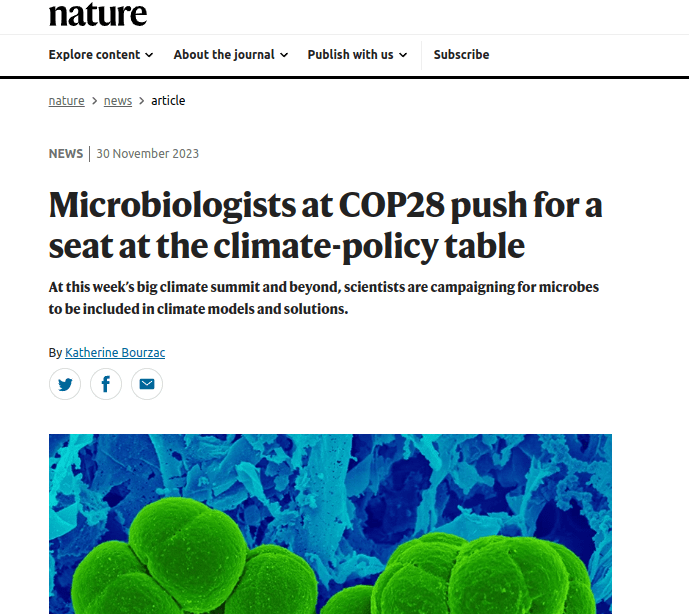
Microbiologists at COP28 push for a seat at the climate-policy table
By Katherine Bourzac
Nature Reviews Microbiology
June 18, 2019
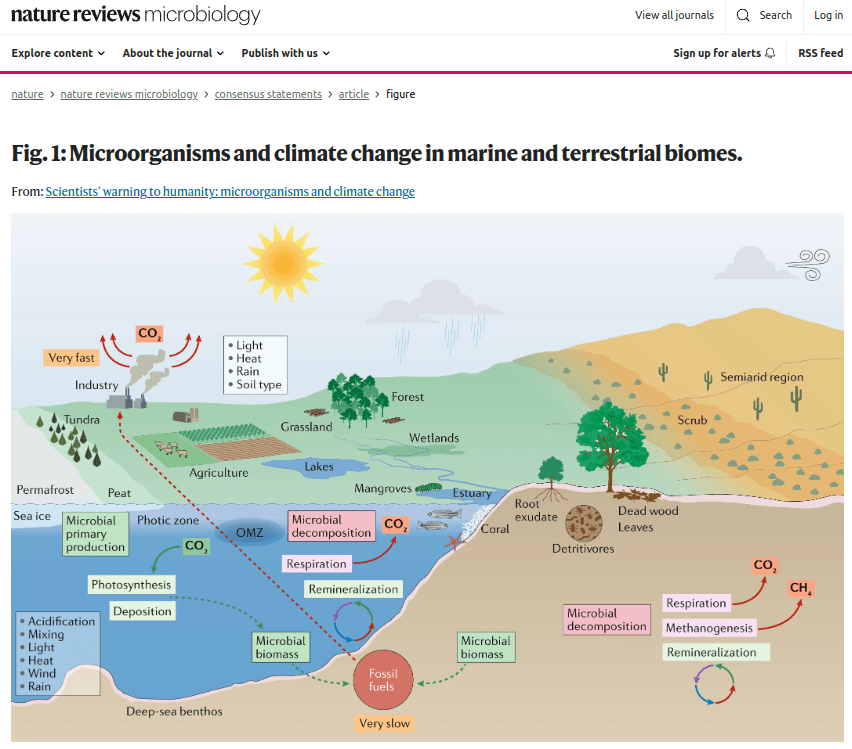
Scientists’ warning to humanity: microorganisms and climate change
Authors Ricardo Cavicchioli, William J. Ripple, Kenneth N. Timmis, Farooq Azam, Lars R. Bakken, Matthew Baylis, Michael J. Behrenfeld, Antje Boetius, Philip W. Boyd, Aimée T. Classen, Thomas W. Crowther, Roberto Danovaro, Christine M. Foreman, Jef Huisman, David A. Hutchins, Janet K. Jansson, David M. Karl, Britt Koskella, David B. Mark Welch, Jennifer B. H. Martiny, Mary Ann Moran, Victoria J. Orphan, David S. Reay, Justin V. Remais, Virginia I. Rich, Brajesh K. Singh, Lisa Y. Stein, Frank J. Stewart, Matthew B. Sullivan, Madeleine J. H. van Oppen, Scott C. Weaver, Eric A. Webb & Nicole S. Webster
Environmental Microbiology
March 25, 2019
The urgent need for microbiology literacy in society
Authors Kenneth Timmis, Ricardo Cavicchioli, José Luis Garcia, Balbina Nogales, Max Chavarría, Lisa Stein, Terry J. McGenity, Nicole Webster, Brajesh K. Singh, Jo Handelsman, Victor de Lorenzo, Carla Pruzzo, James Timmis, Juan Luis Ramos Martín, Willy Verstraete, Mike Jetten, Antoine Danchin, Wei Huang, Jack Gilbert, Rup Lal, Helena Santos, Sang Yup Lee, Angela Sessitsch, Paola Bonfante, Lone Gram, Raymond T. P. Lin, Eliora Ron, Z. Ceren Karahan, Jan Roelof van der Meer, Seza Artunkal, Dieter Jahn, Lucy Harper

 Microbiology & Climate Change